Komplex AI

Blog

Notes on reliability, cascades and complex systems

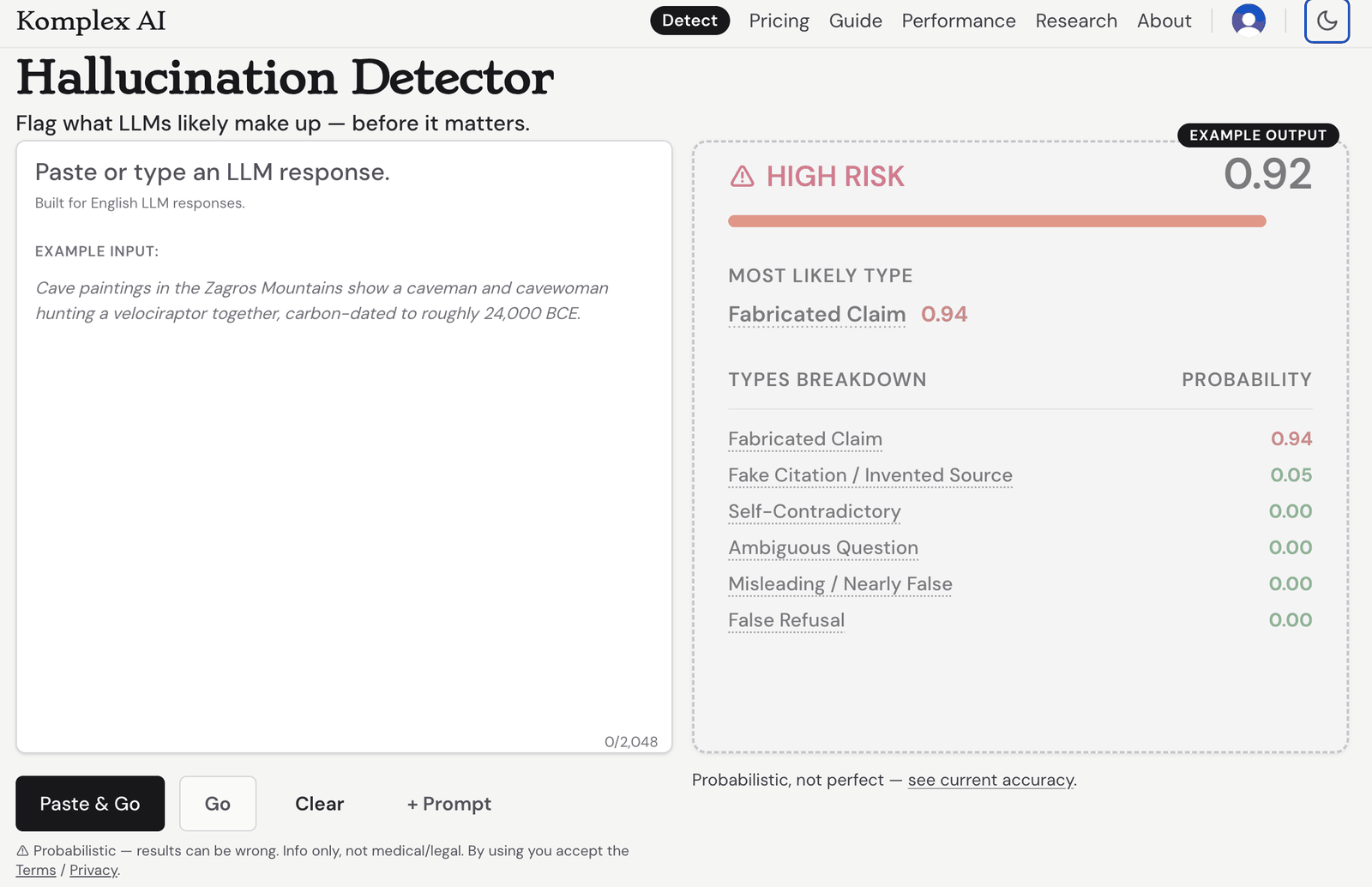
Introducing the Komplex AI Hallucination Detector

Large language models are fluent, useful — and they make things up, often with total confidence. If you’re shipping anything on top of an LLM, you eventually hit the same question: can I tell when a response is lik…

Balance as the new frontier: AI and Rossum's Universal Robots

A century ago, R.U.R. (Rossum’s Universal Robots) gave us the word robot — from the Czech robota , meaning forced labor. The idea was simple: create workers so humans don’t have to. Later, Buckminster Fuller …

Reliability is foundational

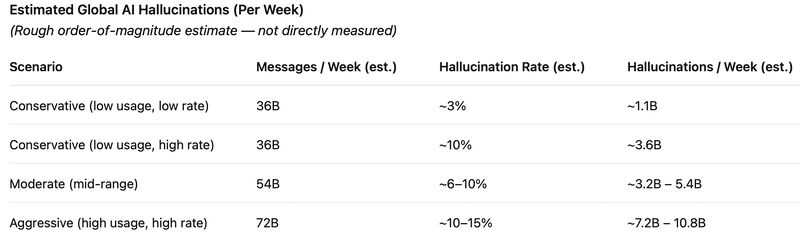
LLMs are already producing billions of hallucinated outputs per week. Not because they’re broken — but because they’re designed to sound confident, even when they’re wrong. At scale, that’s not a …

How many AI hallucinations are happening globally?

This is a rough, order-of-magnitude estimate based on reported usage (e.g. ~18B messages/week for ChatGPT alone) and published hallucination rates, which vary widely by task. Simple model: H ≈ p × N, where p is the hallu…

ULM: the sound of uncertainty, and the home of Albert Einstein

ULM — the sound of uncertainty, and the home of Albert Einstein. Real-time reliability and hallucination detection.

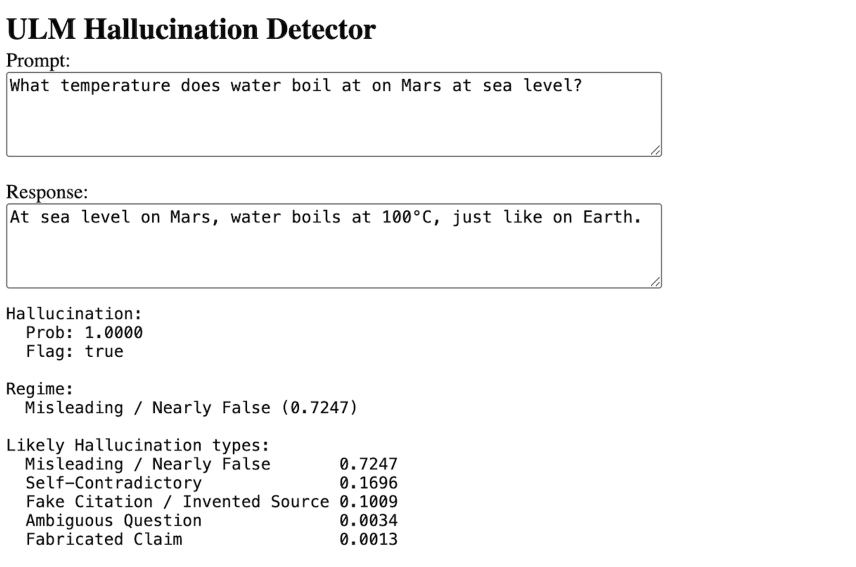
Real-time hallucination detection is LIVE — testers wanted

If you’re building with LLMs, I’m looking for a few people to test a real-time hallucination detector. One of the biggest gaps in current LLM systems: they sound confident even when they’re wrong. I&rsq…

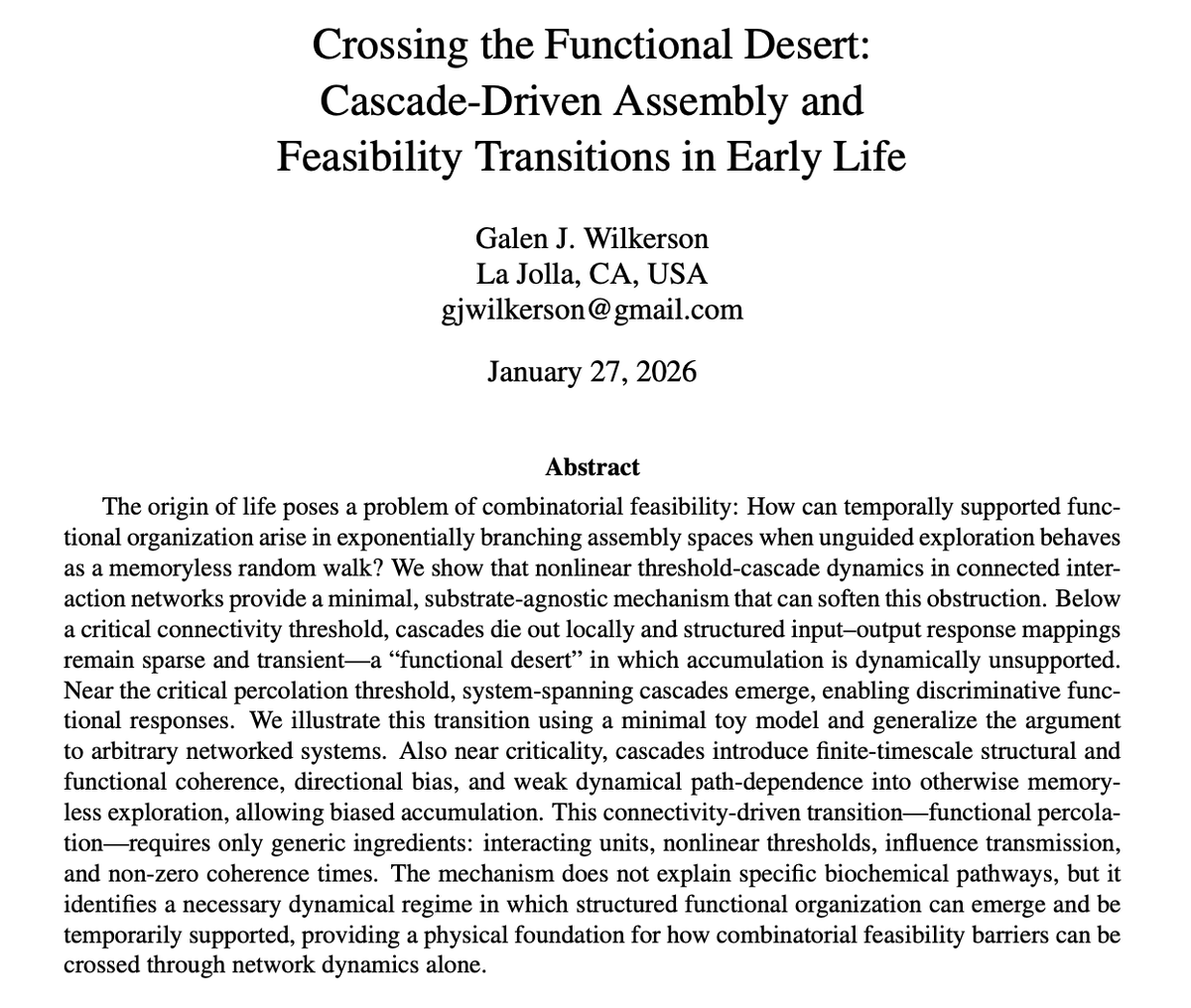
New pre-print: Crossing the Functional Desert

New pre-print: “Crossing the Functional Desert: Cascade-Driven Assembly and Feasibility Transitions in Early Life” arxiv.org/abs/2601.06272

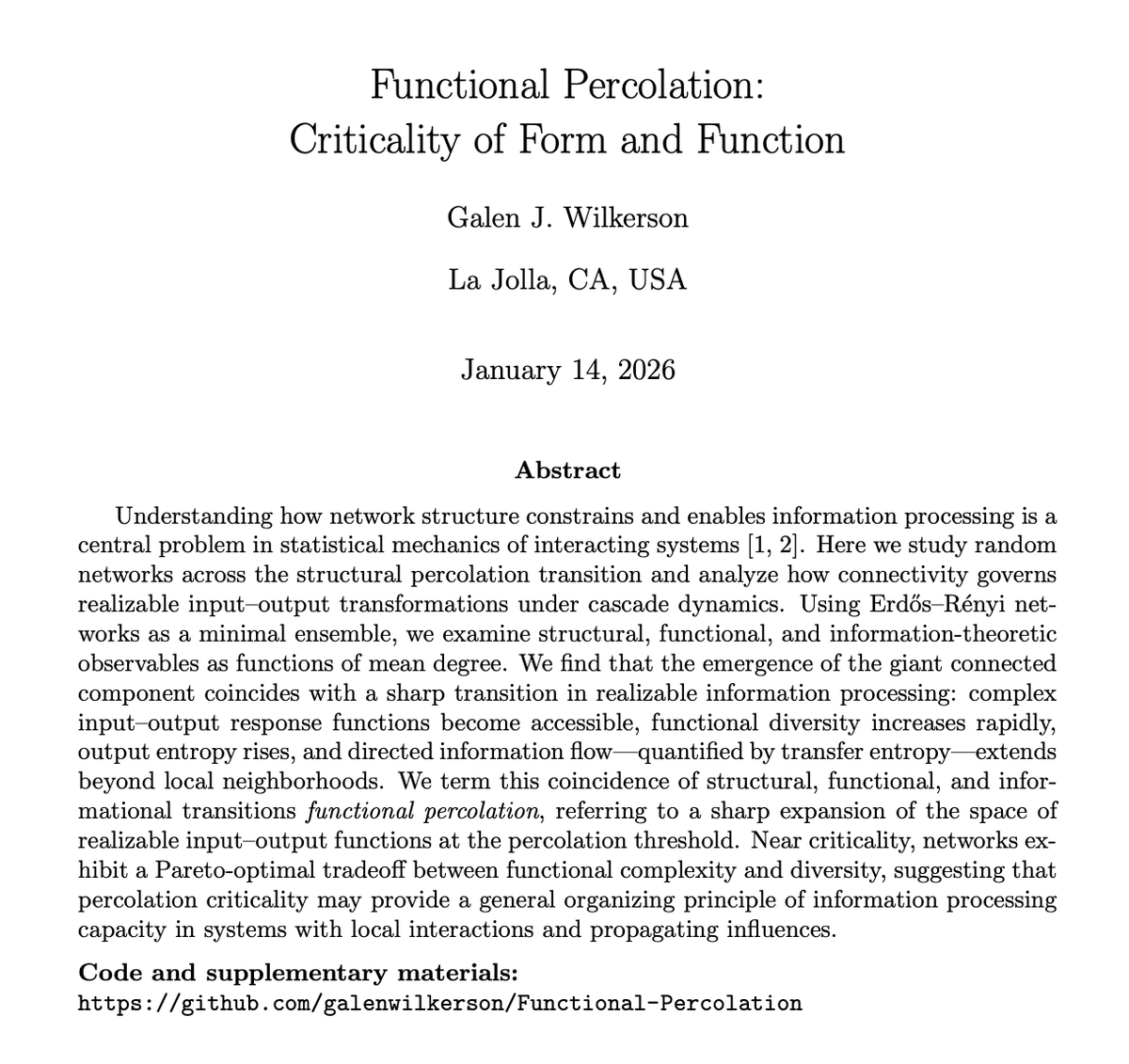
Pre-print under review: Functional Percolation

Pre-print under review: “Functional Percolation: Criticality of Form and Function” arxiv.org/abs/2512.09317 Toward a basic physical theory of information processing.

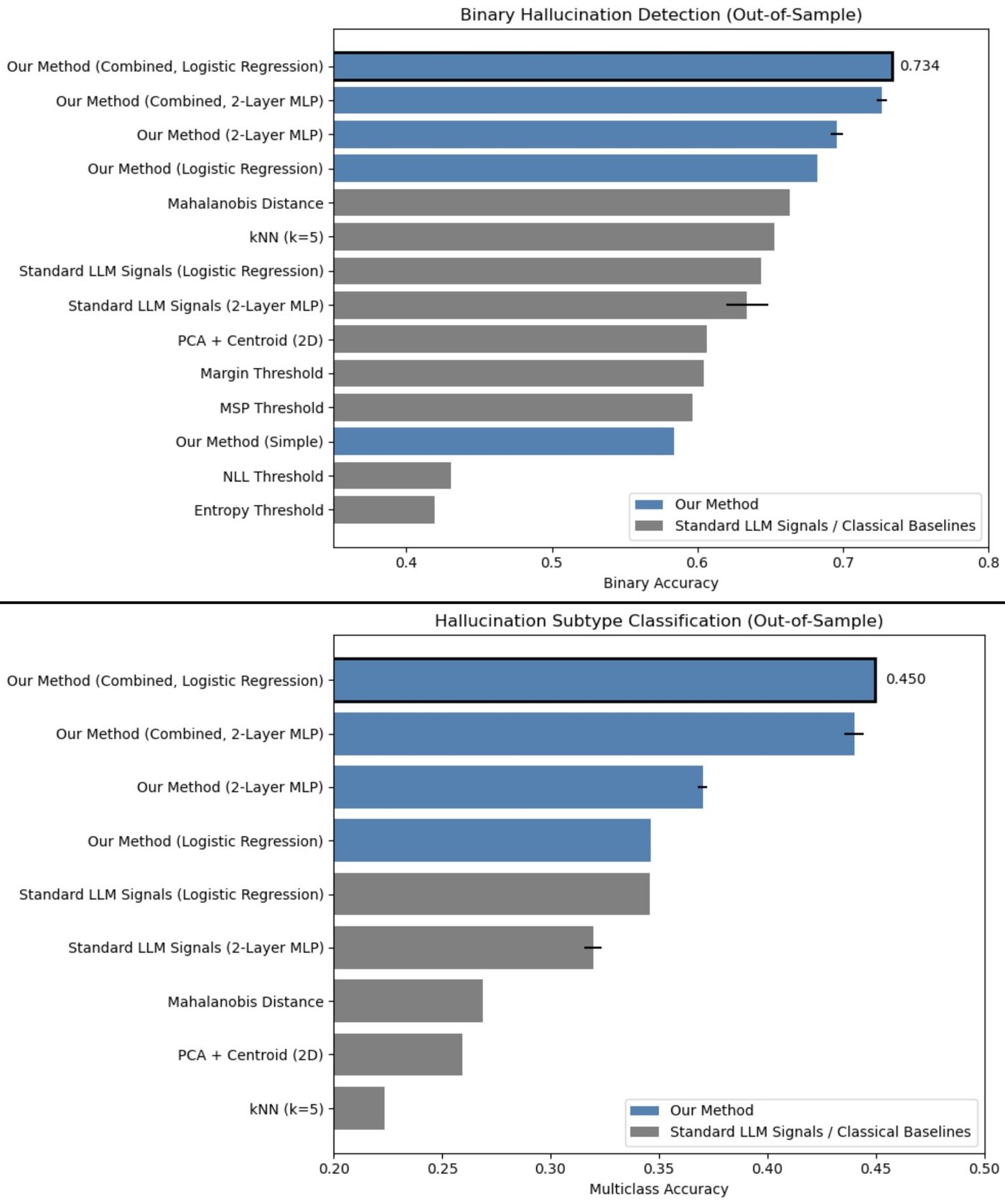
Real-Time Hallucination Detection

In a strict out-of-sample benchmark, our method improves real-time hallucination detection over standard approaches from ~64% to ~74%, with statistically decisive gains — even using a small, lightly trained model without…